Reliable Brick Repair
Locating the Top Masonry Contractor: Expert Work for Your Home's Foundation
Choosing an ideal masonry contractor is crucial for guaranteeing the stability of a home's foundation. A contractor's qualifications, expertise, and communication approach serve important roles in the evaluation process. Homeowners should evaluate several key factors discover the information before reaching a decision. Recognizing these factors can prevent expensive errors. What should be prioritized when evaluating potential candidates? The results might be unexpected.
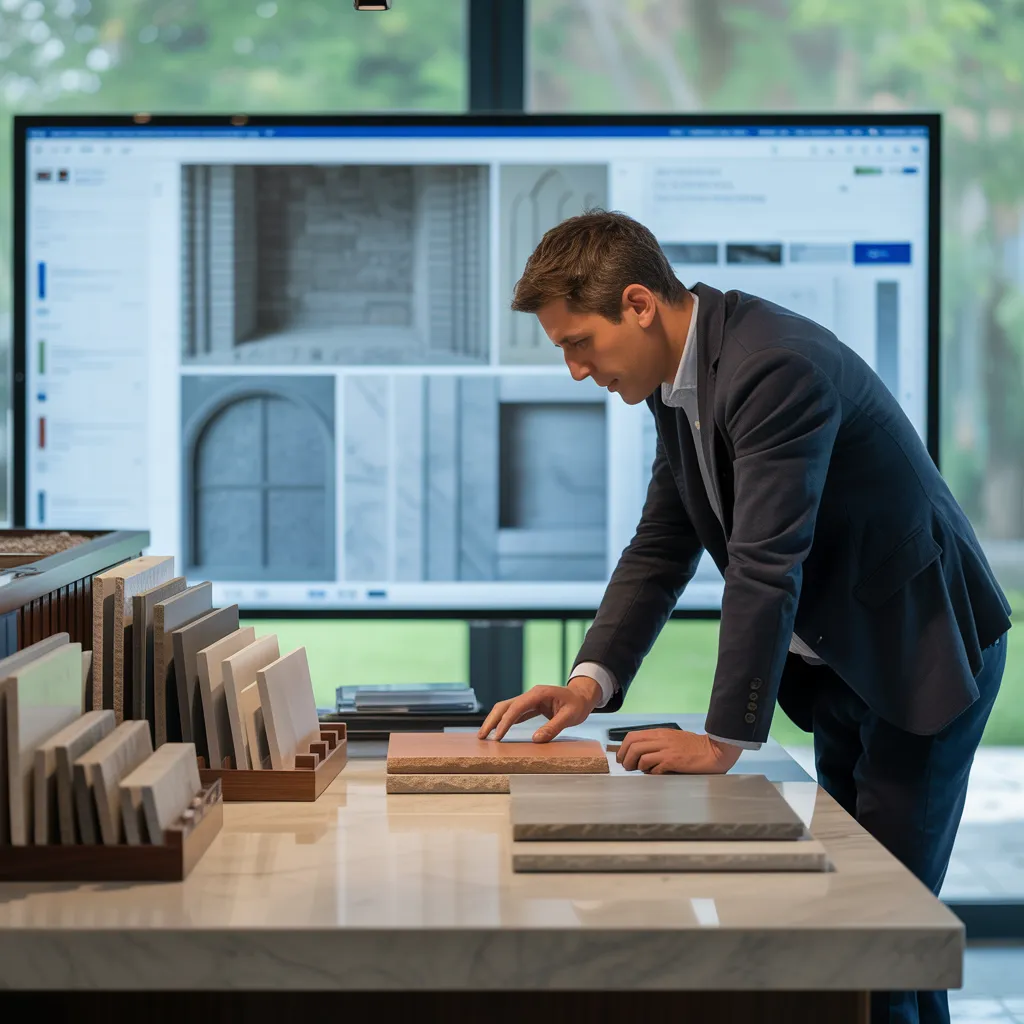
What Credentials Should Your Masonry Contractor Have?
When selecting a masonry contractor, it is essential to evaluate their qualifications to ensure quality workmanship. A skilled contractor should have proper licensing and insurance, which safeguards both the homeowner and the contractor in case of unforeseen incidents or losses. Credentials from established trade associations can also reflect a contractor's proficiency and adherence to quality guidelines. Experience in the field is another key credential; a experienced contractor is likely to have a portfolio showcasing successful projects. Reviews and references from previous clients provide clarity about the contractor's trustworthiness and caliber of output. Additionally, a thorough understanding of local construction standards and requirements confirms that all work adheres to established regulations. By carefully reviewing these credentials, homeowners can reach well-considered conclusions, ensuring that their masonry project is completed to the highest standards.
Which Types of Masonry Work Are Important to Know?
Which masonry services are most frequently requested? Homeowners often require a variety of masonry services to enhance structural integrity and aesthetic appeal. One prevalent type is brickwork, utilized for walls, patios, and walkways, offering durability and visual charm. Stonework is equally in demand, making it an excellent choice for designing refined features including fireplaces and retaining walls. Concrete masonry is increasingly popular for foundations and structural elements, providing strength and versatility.
Furthermore, tuckpointing and repointing play a crucial role in preserving the structural integrity of existing brick or stone buildings by fixing deteriorating mortar joints. Decorative masonry work, including archways and garden features, can also enhance outdoor spaces. Finally, masonry repair services are indispensable for handling wear and damage, promoting durability. Being aware of these diverse types of masonry work empowers homeowners to make knowledgeable decisions when hiring a contractor for their unique needs.
Vital Questions to Ask Your Masonry Contractor
When selecting a masonry contractor, it is essential to inquire about their background and credentials. Understanding the timeline and overall costs is just as important for effective planning. These key questions can help ensure a successful partnership and satisfactory outcome.
Professional Experience and Credentials
A skilled masonry contractor can significantly affect the quality and durability of a building project. When selecting a contractor, it is essential to inquire about their qualifications and experience. Key questions include how long they have been in the masonry trade, whether they hold any industry certifications, and if they have completed projects similar to yours. Potential clients should also seek out references to evaluate past customer satisfaction and performance. Additionally, knowing the contractor's safety practices and adherence to local building codes is crucial. By thoroughly evaluating these credentials, homeowners can ensure they choose a contractor who has the essential knowledge to deliver a strong and lasting foundation.
Project Duration and Budget
Grasping the project schedule and pricing is crucial for homeowners planning masonry projects. It is important for homeowners to ask about the expected time needed to complete the project, as this can differ depending on the scope of work and the contractor's availability. Additionally, discussing potential delays due to adverse weather conditions or supply shortages is necessary for setting realistic expectations.
Financial transparency is equally essential. Homeowners ought to request a comprehensive quote that covers labor, materials, and any extra charges. Understanding payment structures and financing possibilities can also aid in financial planning. Additionally, being aware of warranty terms for both materials and craftsmanship can offer reassurance. By resolving these essential inquiries, homeowners can reach well-informed conclusions and ensure a more seamless masonry undertaking.
How to Verify a Contractor's Experience?
Assessing a contractor's experience is crucial for ensuring superior outcomes. This can be achieved by verifying relevant certifications, reviewing past projects, and asking for trade references. Every one of these actions delivers clarity about the contractor's skills and dependability.
Validate Relevant Credentials
How can one guarantee that a masonry contractor holds the appropriate qualifications? Confirming applicable certifications is vital to this evaluation. A reputable masonry contractor should possess licenses and credentials that demonstrate their skill and compliance with industry guidelines. Potential clients may begin by asking for copies of these records, ensuring they are current and valid. Additionally, they should check with local licensing boards or trade associations to confirm the contractor's credentials. Credentials from established organizations may suggest advanced training and dedication to excellence. It can also be worthwhile to explore their commitment to continued learning, as this highlights a contractor's resolve to remain current with evolving techniques and resources. At the core, validated certifications serve as a testament to a contractor's expertise and professional standards.
Examine Previous Projects
In evaluating a masonry contractor's experience, reviewing past projects is essential. This assessment provides insight into the contractor's craftsmanship and ability to handle various masonry tasks. Future clients ought to inspect a portfolio displaying finished projects, focusing on craftsmanship, design choices, and materials selected. It is beneficial to look for projects comparable to the planned project, as this demonstrates the contractor's experience with specific challenges. Feedback from clients connected to such work can further illuminate the contractor's reliability and professionalism. Additionally, visiting completed sites, when possible, enables firsthand assessment of the contractor's output. Ultimately, a detailed assessment of completed projects assists in identifying whether the contractor can satisfy the property owner's standards and project goals efficiently.
Seek Industry References
What better way to evaluate a masonry contractor's experience than by seeking industry references? Engaging with previous clients can provide insight into the contractor's work ethic, reliability, and quality of craftsmanship. It is recommended to request a list of references and reach out to them personally. Ask about general satisfaction with finished projects, compliance with deadlines, and communication during the work. Furthermore, observing how the contractor manages difficulties can highlight their problem-solving capabilities. Potential clients would benefit from contacting suppliers and other masonry professionals, as they can share valuable perspectives on the contractor's standing and expertise. Such inquiries will ensure a thoroughly informed choice when choosing the ideal masonry contractor.
How to Assess Quotes and Determine the Best Selection
When evaluating quotes from masonry contractors, one must consider key factors that can significantly affect both budget and project quality. First and foremost, one should carefully review the details of each quote, confirming they contain all necessary materials, labor, and timelines. A cheaper quote may look enticing but could sacrifice quality and potentially cause unexpected expenses.
Following this, assess the contractor's knowledge and experience with like projects. This helps gauge their dependability and capacity to provide acceptable outcomes. Moreover, check if the estimates include warranties or guarantees, which can demonstrate trust in their own craftsmanship.
Additionally, the communication approach deserve careful consideration; a masonry contractor who is honest and attentive can foster a smoother project experience. By thoughtfully considering these factors, homeowners can make informed decisions and identify the masonry contractor that best aligns with their preferences and standards.
Characteristics of a Reputable Masonry Contractor
A dependable masonry contractor displays a combination of professionalism, experience, and strong communication skills. One of the clearest indicators is a impressive portfolio featuring completed projects, which illustrates their skill and dedication to quality. In addition, a reliable contractor will offer references from former clients, allowing potential customers to gauge satisfaction levels.
Certifications and licenses serve as essential markers of dependability, as they affirm adherence to industry standards and regulations. Furthermore, a reliable contractor will offer transparent estimates, detailing costs and timelines, building confidence among clients. Effective communication is essential; a reliable contractor addresses client concerns and delivers regular progress updates during the project.
Ultimately, a commitment to using high-quality materials shows a focus on durable outcomes. By noting these qualities, residents can confidently select a masonry professional who will deliver exceptional results for their property's foundation.
Questions We Frequently Receive
How Long Does It Usually Take to Complete Masonry Work?
Masonry work commonly spans a few days to several weeks, depending on project complexity, size, and weather conditions. Factors such as the intricacy of the design and the materials chosen can also greatly influence the project's overall completion timeline.
What Warranties Can I Expect From My Masonry Contractor?
Typically, a established masonry contractor offers warranties lasting anywhere from one to ten years, addressing both workmanship and material quality. Home and property owners should closely inspect these warranties, verifying they fully comprehend what is addressed and any restrictions that are applicable.
Are There Any Permits Required for Masonry Projects?
Permits are frequently necessary for masonry projects, particularly for new constructions or structural modifications. Requirements change based on your location, so speaking with local building authorities or your contractor guarantees compliance with all required legal obligations.
How Do Weather Conditions Affect Masonry Work?
Meteorological conditions heavily influence masonry work. Freezing conditions tend to hinder proper curing, while high temperatures may trigger fast drying. Wet conditions may weaken structural integrity, demanding meticulous scheduling and coordination to achieve the best possible results in construction.
What Upkeep Does Masonry Need Following Installation?
Masonry requires regular maintenance including inspecting for cracks or damage, cleaning, and sealing joints. Ensuring proper drainage and addressing moisture issues promptly can significantly extend the structure's lifespan and preserve its visual appeal.